Decluttering sentimental things without the guilt comes down to sorting items by clear rules rather than quick emotions. You need a set time limit, a sturdy keep box, and a plan for items you decide to let go of today. This guide shows you how to sort keepsakes step by step while keeping your memories safe.
How do I clear emotional clutter from my house?
Start by gathering all your sentimental items into one clear workspace, like a clean dining table. Bring four sturdy cardboard boxes and mark them clearly: Keep, Display, Pass On, and Let Go. Setting up this physical boundary keeps you from moving items from one room to another without making a real choice.
Work on one small box at a time for no more than twenty minutes. Taking on too many items at once causes decision fatigue, which makes you want to stop. If an item brings up heavy feelings, place it in the Pass On box to offer to family, or move it to the Let Go box right away.

Set firm limits on your memory storage
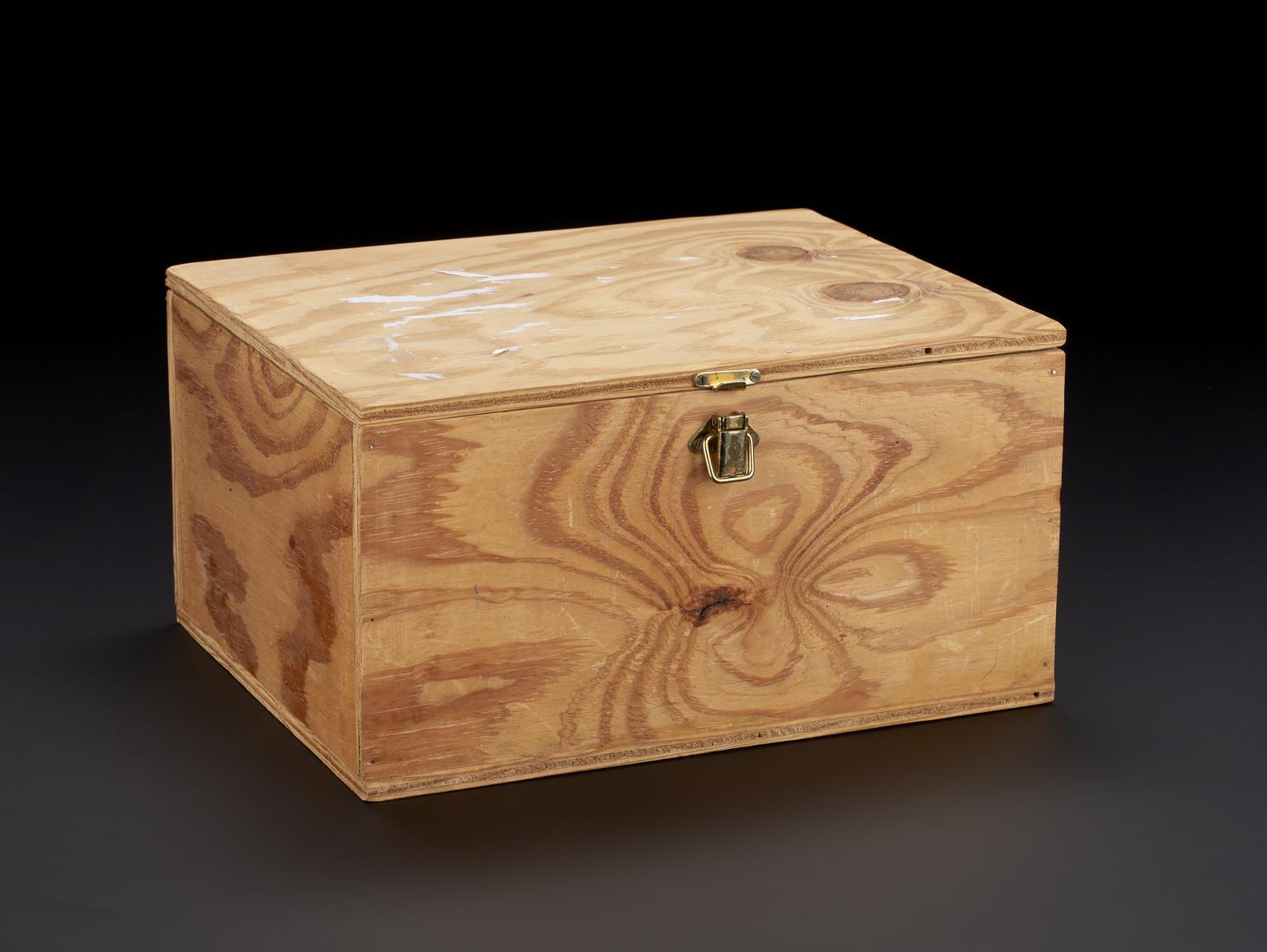
Give your memories a physical container instead of letting them take over your closets. When you limit your sentimental storage to one plastic bin or one wooden chest, you force yourself to pick only the best items. The boundary does the hard work of deciding for you.
When your designated box is full, you cannot add a new item without taking an older one out. This rule keeps your collection from growing back out of control over the years. You can use this simple sorting plan to decide what stays:
- Keep high value family history items like photos, letters, and handwritten recipes.
- Keep items you can put on a shelf and look at every day.
- Let go of duplicate photos, old paper cards without personal notes, and damaged clothes.
- Let go of gifts you never liked, even if a close friend gave them to you.
Take photos of items before you let them go
You are keeping the memory, not the physical object. Taking a clean picture of an item allows you to save the story behind it without keeping the actual item in your closet. You can hire a specialist in professional organizing to help set up a digital archive if you have decades of items to sort through.
Create a dedicated album on your phone or laptop titled Memory Box. Take photos of old childhood drawings, trophy collections, or inherited dishware in good light. Once the picture is stored safely in your cloud drive, you can donate the physical object with peace of mind.
Pass items to family or donate with care
Sentimental items are much easier to let go of when you know they are going to a good home. Offer inherited items to family members or friends with a firm deadline to reply. Give them two weeks to pick up the item, or it moves to the donation pile.
Finding the right home for your items helps remove the feeling of waste. Follow these practical steps to clear the items out of your house immediately:
- Box up clothing and take it to a local community shelter within twenty four hours.
- Donate vintage items and kitchenware to a local charity shop that supports a cause you care about.
- Pack delicate heirlooms safely using plain paper before transporting them.
- Put your final Keep box back in its designated storage spot and seal the lid.
Keep your display items visible and enjoyed
The items you decide to keep should not live inside dark cardboard boxes in your attic. Shift your mindset from storing items to displaying them. Frame your favorite handwritten note from a grandparent or place a single vintage dish on your entry hall shelf.
When you feature your favorite keepsakes, they add character to your space and serve a real purpose in your daily life. The rest of your home stays neat, organized, and free from extra clutter that bogs you down.