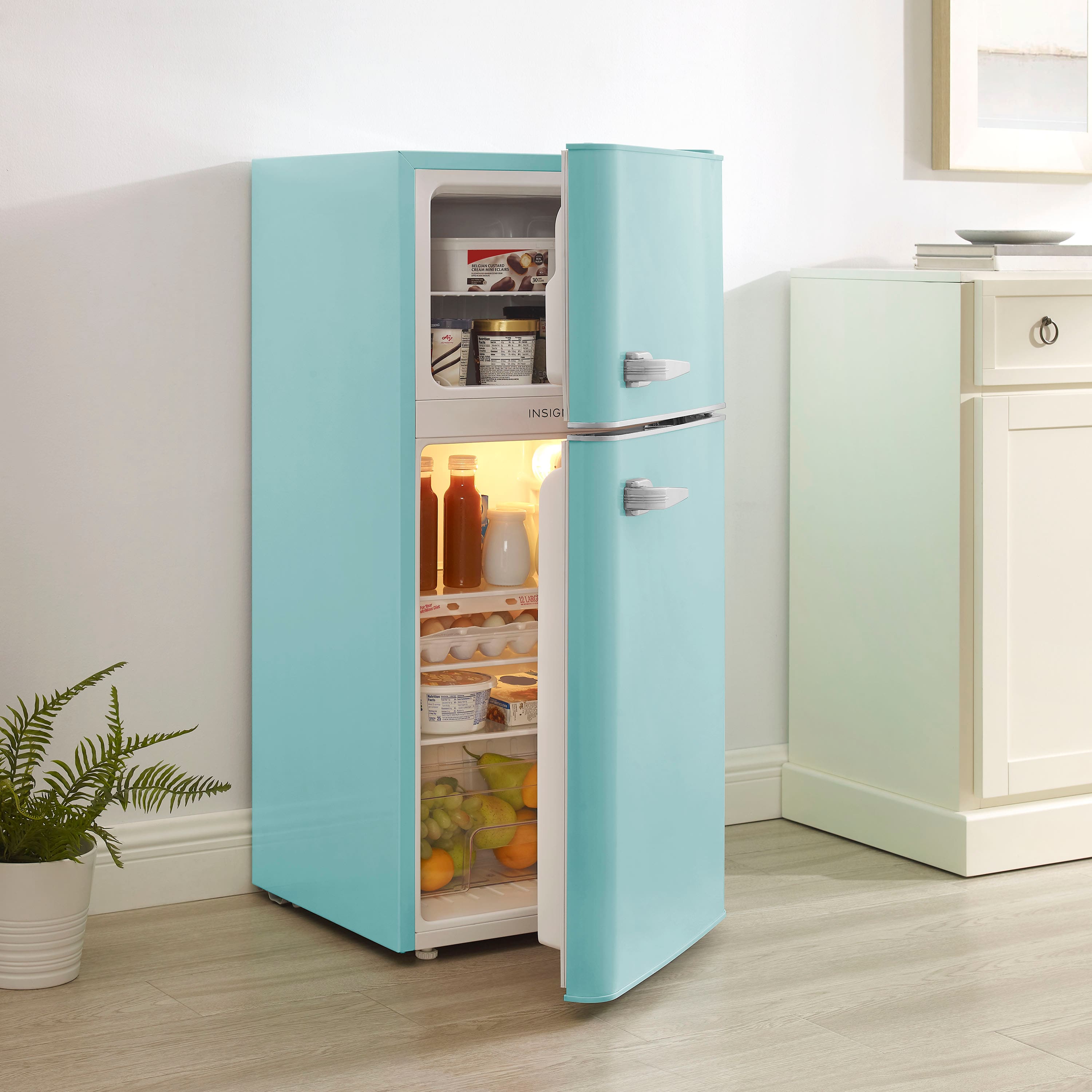
Organizing your refrigerator by temperature zones stops food from spoiling quickly and keeps the glass shelves clear. Put milk and dairy on the middle shelf, raw meat on the bottom shelf, and produce inside the bottom drawers. This exact setup takes thirty minutes to complete and stops everyday kitchen clutter before it starts.
Where to Put Food in the Fridge
Every refrigerator has warm spots and cold spots. Warm air rises to the top, while the coldest air sits near the bottom back wall. Placing items in their ideal temperature zone protects your food from quick spoiling and prevents sticky spills from running down multiple levels.
Door bins experience warm air every time you open the appliance. Keep butter, soft drinks, condiments, and salad dressings in the door. Never put milk or eggs in the door bins, because frequent temperature shifts make them sour faster.
- Top shelves: Leftovers, snacks, herbs, and ready to eat foods.
- Middle shelves: Milk, cheese, yogurt, sour cream, and eggs.
- Bottom shelf: Packaged raw meat, poultry, and fish stored on a lipped tray.
- Drawers: Fruit in the low humidity drawer, vegetables in the high humidity drawer.
- Door bins: Mustard, ketchup, hot sauce, butter, and sparkling water.

How to Clean and Reset the Shelves in Thirty Minutes
Clear one section at a time so your food does not sit out at room temperature for too long. Work top to bottom so falling crumbs land on dirty lower levels that you have not wiped yet. A quick routine standardizes your kitchen housekeeping without taking up your entire afternoon.
Mix warm water with two tablespoons of plain dish soap in a small bucket. Wipe each glass plate with a soft microfiber cloth, dried off with a tea towel before putting food back. Avoid hot water on cold glass shelves because the temperature shock can crack the glass panel.
- Take out all items from the top two shelves and throw away expired bottles.
- Wipe the empty glass with warm soapy water and dry it completely.
- Return the items to their proper designated zones using low plastic bins.
- Repeat the same process for the bottom shelves and crisping bins.
Why Using Clear Bins Keeps the Glass Clean
Clear plastic bins act as drawers for your loose food items. Instead of reaching into the dark back corner for a jar of jam, you pull the whole tray forward, grab what you need, and slide it back into place. This simple professional organizing step stops jar rings from sticking to glass shelves.
Group small items by how you use them each day. Put all your sandwich toppings like pickles, mayo, and deli meat into one shallow container. Place breakfast items like berries, cream cheese, and yeast spreads into another. You can bring the entire bin directly to the counter when preparing a meal.
Daily Practices That Stop Fridge Clutter
A good fridge layout only works if you maintain it during your regular grocery store routine. Take two minutes to clear out old food right before you head out to buy new food. Unpack your fresh groceries straight into their correct spots instead of stuffing items wherever there is open space.
Wipe down the neck of condiment bottles before returning them to the door bins. Wipe up small drips on the glass immediately using a damp paper towel so they do not dry into sticky spots. These fast daily actions keep your refrigerator fresh and ready for the week ahead.