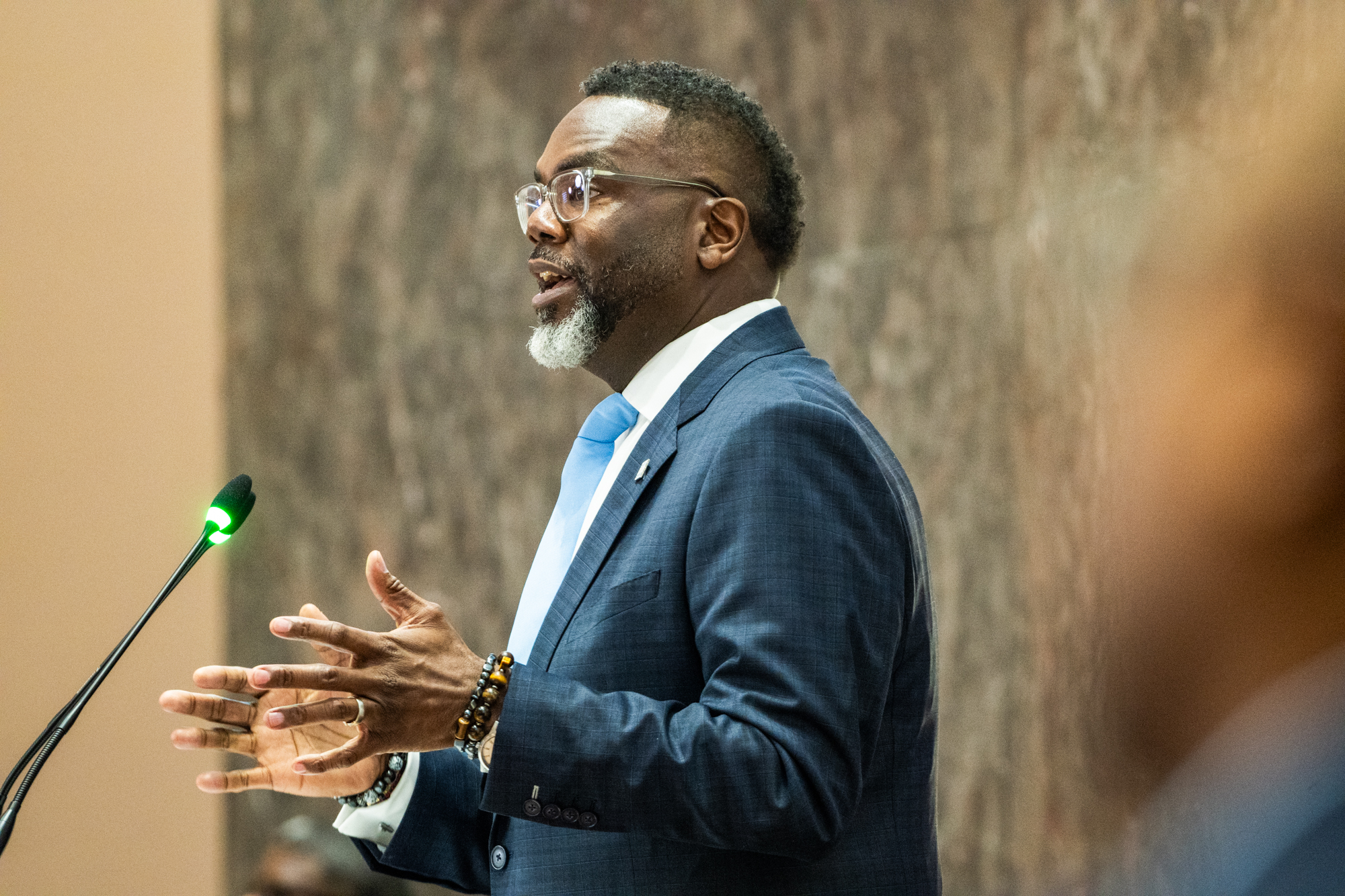
The mayor of Chicago says he has always favored gunshot detection technology in the city. His statement comes right after local voters backed the return of these sound sensors. City leaders are now looking at what to do next with the tech.
Why do voters want gunshot detection technology back?
Many voters in Chicago recently backed a measure to bring back acoustic microphones. These special sensors listen for the loud sound of gunfire on public streets. When the tech hears a bang, it sends the location to police fast.
Supporters say this setup helps officers reach a scene quicker than waiting for a 911 phone call. People who live in heavy crime areas want every tool available to keep their streets safe. They hope bringing back the tech reduces response times for victims.
How does gunshot detection technology help local police?
Police officers rely on fast alerts to find shell casings and help injured people. Sound sensors give a precise spot on a map within seconds of a shot. This lets officers head straight to the block without guessing where the noise came from.
In many cases, people nearby do not call the police when they hear shots. The automatic system makes sure the event does not get missed by dispatchers. Communities hope this quick tracking keeps bad actors off the streets for good.
What is the technology adoption process for cities?
Cities often test new tools before they decide to keep them long term. Watching how fast local leaders take up new tools connects to the technology adoption life cycle in public safety. Some leaders like to try tools early, while others wait to see clear proof first.
When a city drops a tool and then brings it back, it shows how complex local politics can get. Residents must decide if the high cost of public tech matches the real results. Learning about the diffusion of innovations helps explain why ideas spread through local government slowly.
What will happen next with Chicago street sensors?
The mayor now has clear support from voters to move forward with the plan. City council members will likely meet to discuss the budget for new contracts. They must choose which company will provide the hardware and manage the network.
Neighbors will watch closely to see how fast the microphones return to their blocks. Officials plan to share updates as soon as the contract details get sorted out. For now, public safety remains a top issue for everyone in the area.