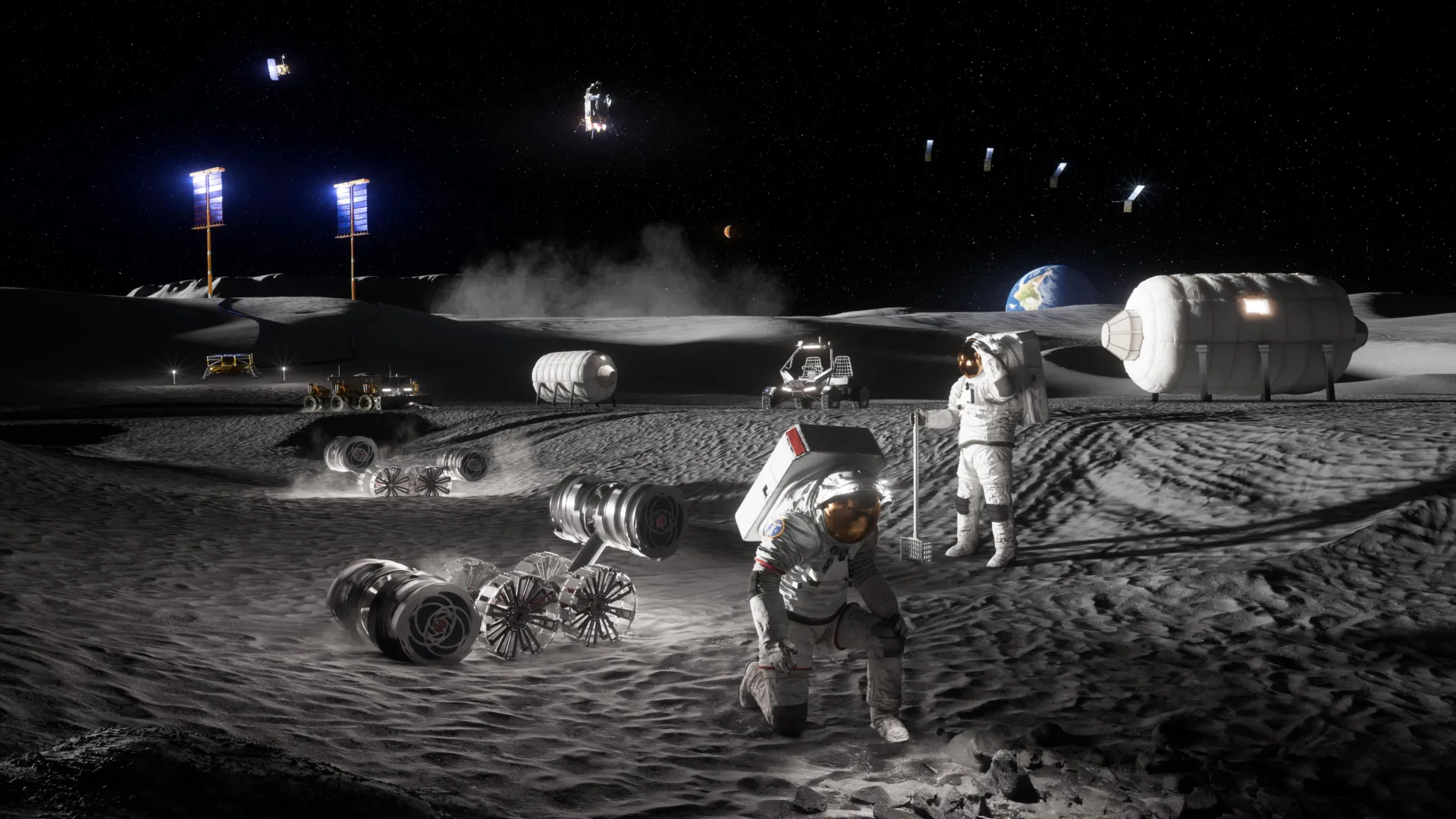
NASA just shared new updates about its lunar surface technology program. The space agency wants to build tools that help astronauts work on the Moon for a long time. These new tools will make future space trips safer and easier for everyone involved.
What is NASA building for the Moon?
NASA is working on fresh gear designed for harsh space conditions. The Moon has extreme heat, deep cold, and sharp dust that can break normal machines. Engineers are building tough rovers, power systems, and radio tools that can handle those hard places without breaking down.
These tools will help astronauts explore areas of the Moon that people have never visited before. Special light systems will help crews see inside deep, dark craters where water ice might be hidden. Strong power units will also keep the gear running through the long, dark lunar nights that last for two weeks.
How does lunar surface technology help people on Earth?
Space research often creates great tools for everyday life on Earth. Tech built for the Moon must be small, light, and use very little power to work well. Companies often take these smart ideas and use them to make better batteries, stronger solar panels, and smarter computer chips for our phones and homes.
This work also creates new jobs for scientists, builders, and software workers across the globe. Many private space companies work directly with NASA to build these new tools. You can learn more about how private companies carry tools to the Moon by reading about Commercial Lunar Payload Services.
Why do we need a lunar lander for space exploration?
Getting heavy machines down to the dusty ground requires special spacecraft. Engineers must design soft landing systems so sensitive science tools do not break when they touch down. To see how these vehicles work, you can check out details about a lunar lander and how it touches down safely.
Once on the ground, these landers act as home bases for robots and people. They feed power to the equipment and send clear data back to teams on Earth. Without strong landing craft, space agencies could not test their new tools or build long-term stations on the Moon surface.
What will happen next in Moon exploration?
NASA will keep testing these systems in labs and on specialized test flights. Over the next few years, robotic missions will carry this new gear to the Moon to test it in real space conditions. Scientists want to make sure every single machine works perfectly before sending human crews back to the lunar dirt.
If these tests go well, humans will soon stay on the Moon for weeks or months at a time. The lessons learned on the Moon will also help space agencies plan future trips to Mars. Readers who love space should watch for more updates as these new tools get tested on actual missions.