
To set up a tidy home workspace, clear off every single item, wipe down the surface, and put back only the tools you use every day. Keep your secondary work items in drawers or boxes, and secure your cords so they stay out of sight. You can complete this full desk organization routine in twenty minutes.
clear the desk surface completely
Start by moving every object off your desk. Take off the computer, the keyboard, your notepad, pens, coffee mugs, and loose papers. Place everything on a nearby table or on the floor so your desk top is completely bare. Spray the desk surface with a simple cleaner and wipe it clean with a microfiber cloth. Do not skip this step because starting with a clean slate makes decisions much easier.
Sort everything you removed into three quick piles. One pile is for everyday work items, one is for items that belong in a drawer, and one is for trash or things that belong in another room. Be honest about what you actually touch during a normal workday. Extra notebooks, old receipts, and extra pens should move out of your primary work area right away.
How do I organize my desk for working from home?
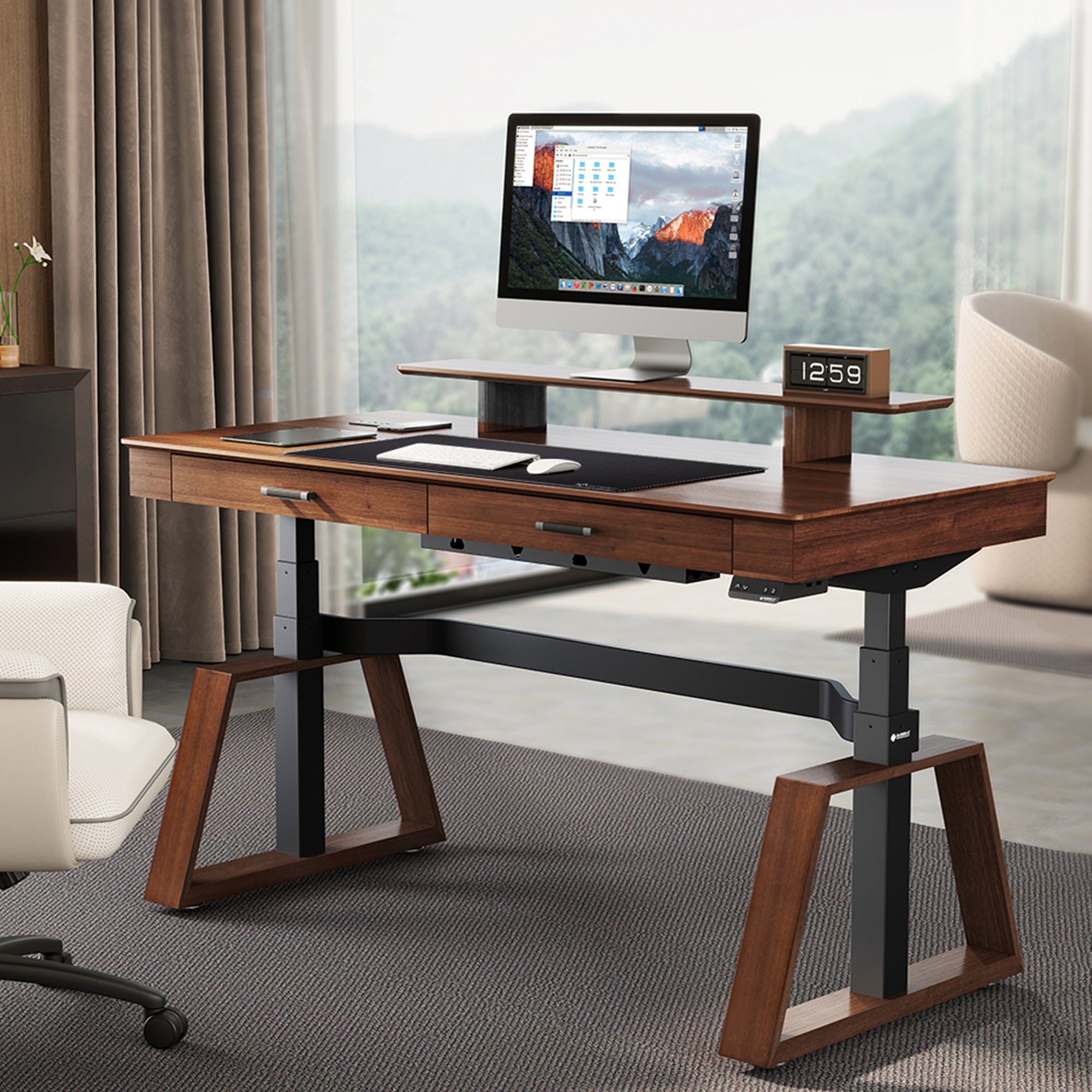
Set your monitor directly in front of your chair at eye level to support good posture. Place your keyboard and mouse right in front of you so your arms rest at a relaxed angle. Keep only three main items on top of the desk: your computer setup, your current notepad, and a glass of water. Everything else goes away into dedicated storage spot.
- Daily zone: Keep your keyboard, mouse, notepad, and one pen within arm's reach.
- Secondary zone: Store your main reference files, stapler, and back-up pens in the top drawer.
- Archive zone: Place old notebooks, extra paper supplies, and tax records in a bottom drawer or separate bin.
- Personal item limit: Allow yourself only one small item on the desk, such as a photo frame or a small plant.
Sort your drawers with simple dividers
Unpack your desk drawers completely and throw away dried pens, old sticky notes, and broken paperclips. Group your remaining small office supplies by category so like stays with like. Using basic drop-in drawer trays prevents items from sliding around every time you open and close the drawer.
Place your most used items in the very front of your top drawer. Putting small supplies in clear bins helps you find things quickly without searching. If you need help staying structured, learning about professional organizing methods can help you maintain these habits over time. Keep your drawer layout simple so putting items away takes only two seconds at the end of the day.
Manage your cords and charging cables
Loose cords quickly make a tidy room look chaotic and messy. Unplug every cord under your desk and untangle them completely. Run your main computer power cable straight down the back leg of your desk using small adhesive cable clips or simple twist ties. Keeping cords off the floor makes sweeping and vacuuming around your workspace much easier.
- Group your cords: Bundle your monitor, computer, and lamp cables together with one cable sleeve.
- Label the ends: Wrap a small strip of masking tape near each plug so you know which device it powers.
- Mount the power strip: Use strong double-sided tape to attach your power strip to the underside of your desk.
- Set up a charging spot: Keep just one phone charging cable on top of your desk anchored with a small desktop cable drop.
End your workday with a two minute desk reset
Create a short habit at the end of every work day to keep clutter from building up again. When you finish your last task, close all your computer tabs and turn off your screen. Take your empty coffee cups or water glasses straight to the kitchen sink right away.
Put your pen back in your drawer, close your notepad, and push your chair in. Consistently practicing basic housekeeping tasks around your workspace stops weekend mess before it starts. Walking away from a clean desk each evening lets you start fresh every single morning without feeling stressed by yesterday's work.